

Where Patterns Begin to Make Sense
Trauma-Informed, Attachment-Based Therapy in Austin, Round Rock & Across Texas
For individuals and couples ready to understand what keeps getting in the way
The Problem You Come In With Is Rarely the Whole Story

Most people don't come to therapy because they want to talk about their past; they come because something in the present isn't working. Maybe they have a relationship that keeps hitting the same wall, or a pattern in their relationships or behavior they can see clearly and still can't change. They may struggle with an exhaustion that doesn't lift no matter how carefully they manage it, or feel they have become a version of themselves they don't quite recognize anymore.
Sometimes there is a specific crisis that brings someone in: a betrayal, a rupture, or a moment when something that had been building for a long time finally breaks open. Sometimes it is quieter than that, like a growing awareness that they feel lonely despite being surrounded by people or a realization that intimacy has never quite felt safe or natural. They may feel a gradual recognition that the way they have been living and relating to others is no longer working, and that what they have tried so far hasn't created the kind of change they long for. Sometimes people carry pain for years before deciding they have lived with it for as long as they can, and something has to change. Whatever brings someone to therapy, I find that the presenting problem is rarely the whole story. More often, it is the place where a deeper pattern has finally become impossible to ignore.
The anxiety, the conflict, the self-doubt, the emotional shutdown, the relentless people-pleasing, the distance in a relationship, these experiences rarely exist in isolation. They are often connected to earlier experiences, attachment patterns, and nervous system adaptations that once helped someone survive, protect themselves, or make sense of their world. Without the opportunity to step back and understand those patterns, it can begin to feel as though they are the only ways of responding, even when they no longer serve you.
My approach to therapy is trauma-informed, attachment-based, and relational. Rather than applying the same treatment plan to everyone, I draw from evidence-based approaches while paying careful attention to your history, your nervous system, your relationships, and your goals. As a scientist-practitioner, I tailor therapy to the individual, couple, or family sitting in front of me. My goal isn't simply to reduce the symptoms that brought you to therapy, but to help you understand the patterns that brought you here so you can begin responding to yourself, your relationships, and your life in new ways.
Understanding the Pattern, Not Just the Problem
When someone comes to me struggling with conflict in their relationship, a coping pattern that has started to cost more than it gives, or an emotional response that feels out of proportion to what triggered it, my first instinct is not to go directly after the behavior. My first instinct is to get curious about it.
What is this pattern trying to accomplish? What is it helping you manage, protect against, or avoid? When did it first make sense? What experiences shaped it, and what has allowed it to survive over time? Most importantly, what is it costing you now in your relationships, your sense of self, or your ability to feel fully present in your own life?
Understanding a pattern is not the same as excusing it. A history of trauma or painful relationships does not erase the impact our behaviors can have on ourselves or the people we love. At the same time, lasting change is often much easier when we understand why a pattern developed before trying to replace it. That understanding can soften shame, increase self-compassion, and create space for genuine accountability rather than self-condemnation.
In couples and family therapy, sharing these histories often changes the conversation. Instead of seeing each other as the problem, people begin to recognize how each person's experiences have shaped the ways they protect themselves, reach for connection, or pull away from it. As they begin to understand these patterns, the relationship itself often feels less adversarial. The cycle, not either person, becomes the problem to solve. From that place, it becomes much easier to approach each other with curiosity instead of blame, compassion instead of defensiveness, and accountability without shame.
Over time, people often discover that they are not fundamentally broken, and neither are their relationships. More often, they have become caught in patterns that once made sense but no longer serve them. Therapy offers the opportunity to understand those patterns, interrupt them with new choices, and build relationships, and a life, that feel more connected, intentional, and aligned with who they want to become.
How I Think About What You Are Carrying
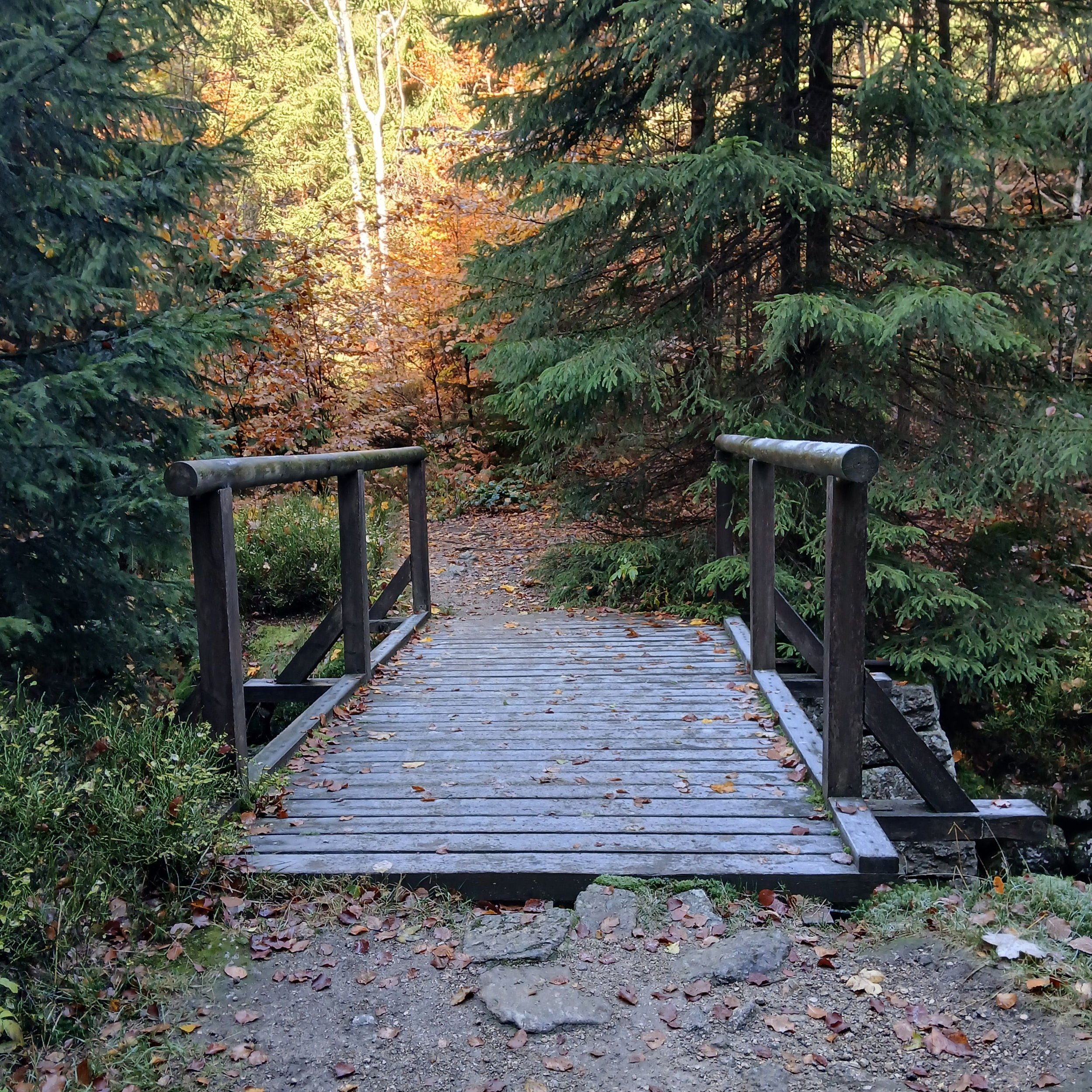
My approach is trauma-informed, attachment-based, and relational.
Trauma-informed is a way of thinking about people before it is anything else. It starts from the assumption that most of what looks like dysfunction is actually adaptation. The emotional reactivity, the shutdown, the hypervigilance, the difficulty trusting, the people-pleasing that never quite feels like a choice: these patterns developed in response to something. They made sense once, though they may not be serving you well now. Trauma-informed therapy asks what they were a response to, and meets them with curiosity rather than judgment.
That orientation shapes everything about how I work, including pace. The nervous system cannot absorb more than it can safely process, and rushing that process tends to reinforce the very patterns we are trying to understand. So trauma-informed therapy is not just a set of techniques. It is a commitment to creating conditions where real change is actually possible.
I understand that trauma is not defined only by a single catastrophic event. It can develop through chronic stress, emotional neglect, relational wounds, or simply growing up in an environment where emotional safety was inconsistent or absent. Many of the people I work with would not describe their history as traumatic. What they know is that something has been hard for a long time, and that it has not responded to effort or insight alone. That is enough to bring into therapy.
I'm an attachment-based therapist, which means I pay close attention to how early relational experiences including the consistency or inconsistency of feeling safe, seen, and known by the people who raised you and in the relatinoships you’ve been in, shape the way you connect with people now. Those patterns are not your personality and they are not permanent; you learned them to keep yourself safe, and finding out on an emotional level that you can be safe now allows those patterns to change so that you can create deep connections with other people and feel less lonely, anxious, and depressed.
Relational means the relationship between us matters to the work. For many people, the experience of being genuinely seen and having someone stay present through the difficult parts is itself part of what heals. In practice, that means I am paying close attention to how you are relating to your own story, to me, and to the therapy itself. When I notice something in how you are moving through a moment, I am trying to understand at a deep level what is driving it. That understanding is what allows us to step outside the pattern together, which is often the first time real change becomes possible.
Different Problems. One Guiding Framework.
Whatever brings you to therapy, the same trauma-informed, attachment-based, and relational framework holds: understanding what happened, how it shaped you, and what it is costing you now in your relationships and your life.
Many of the people I work with grew up in families where emotional support was inconsistent, conditional, or simply absent. That kind of environment leaves marks that don't disappear with time or distance. You learn to figure things out alone. You carry a voice that questions whether your needs are legitimate, whether your boundaries are fair, whether taking care of yourself makes you the problem. When you try to create distance from a relationship that has cost you, you often find yourself grieving someone who is still alive, someone who can still reappear and destabilize what you have worked hard to build.
This thread runs through more of the work people bring into therapy than most people expect. It shows up in relationship patterns, in anxiety, in the way someone responds to conflict or closeness. It does not always arrive with a name, but it is usually somewhere in the room.
Couples Therapy
Trauma-informed Couples Therapy
Pornography Use and Relationship Intimacy
AI and Digital Intimacy Therapy
Gottman Method Therapy | Relational Life Therapy
Individual Therapy
Therapy for Adult Children of Emotionally Immature Parents
Trauma-Informed Therapy for Mothers
Trauma-Informed Therapy for Teens
Family Therapy
Family Therapy for Estrangement and Repair
Working Remotely
What It Is Like to Work With Me
I’m Tiffany Savener, PhD, a trauma-informed therapist who works with individuals, couples, and families throughout Texas. My work is grounded in doctoral training in clinical psychology and advanced training in trauma, attachment, and relational therapies.
Therapy with me is collaborative. You bring your experiences, your questions, and your goals. I bring curiosity, empathy, and a way of listening that is always looking for the patterns that connect the pieces of your story. As we talk, I'm paying attention not only to what happened, but to the ways your experiences have shaped your relationships, your nervous system, and the strategies you've developed to protect yourself. My hope is that you'll leave sessions not only feeling heard, but understanding yourself a little more clearly than when you arrived.
I spend a great deal of time trying to understand before trying to intervene. Therapy often feels a bit like putting together a puzzle. Over time, the pieces begin to fit together. Experiences that once felt disconnected start to reveal a pattern, and once we can see the pattern, we can begin changing it. We can draw from evidence-based approaches that fit both you and the changes you're hoping to make. Therapy isn't about analyzing your past for its own sake. It's about making connections that help you respond differently in the present and create lasting change over time.
The pace of therapy matters. We don't rush toward painful experiences before there is enough safety to work with them well, but we also don't avoid them indefinitely. Insight is important, but insight alone doesn't create change. The goal is not simply to help you experience yourself, your relationships, and your life differently. It is to open up the possibility that there are other ways of being, ones that feel like a choice rather than falling into the same painful cycle you have been trapped in before.
You don't need to arrive with your story organized. You don't need a diagnosis, a clear sense of what you're looking for, or certainty that therapy is the right next step. We simply begin where you are, making sense of your experiences one connection at a time.
FAQ
-
Trauma-informed therapy shifts the orienting question of treatment from "what is wrong with you?" to "what happened to you?" That reframe matters more than it might initially sound, because it changes everything about how a therapist understands the patterns someone brings into the room.
Most of what people experience as symptoms, emotional reactivity, avoidance, difficulty with trust, hypervigilance, shutdown, people-pleasing, difficulty identifying their own needs, are not signs of dysfunction. They are adaptations. They developed in response to experiences that were overwhelming, unpredictable, or unsafe, and at the time, they were often the most intelligent response available. Trauma-informed therapy treats them as such.
This shapes how sessions are paced. It shapes how the therapeutic relationship is held, because for many people, the experience of feeling safe with another person is itself part of what needs to heal. It shapes which interventions make sense and in what order, because pushing toward processing before safety and stabilization are established tends to retraumatize rather than heal.
Trauma-informed therapy also recognizes that trauma is not defined only by a single catastrophic event. It can develop through chronic stress, emotional neglect, relational wounds, growing up in an environment where emotional safety was inconsistent or absent, or any experience that left the nervous system in a state of persistent activation or shutdown. Many people I work with do not identify their history as traumatic in the way that word is commonly used. What they recognize is that certain patterns have been present for a long time and have not responded to insight or effort alone. Trauma-informed care is often what reaches those patterns when nothing else has.
-
No. Many people I work with do not identify their experiences as traumatic in the way that word is commonly used. What they recognize is that anxiety, exhaustion, relational difficulty, or emotional patterns have been present for a long time and have not responded to effort or insight alone. Trauma is not defined only by a single catastrophic event. It can develop through chronic stress, emotional neglect, relational wounds, or any experience that left the nervous system feeling persistently unsafe. If something in your history is shaping how you feel and relate today, that is enough to bring into therapy.
-
Attachment-based therapy is grounded in research on how early relational experiences, particularly the consistency or inconsistency of emotional safety in childhood, shape the ways adults connect, protect themselves, and navigate closeness. These patterns are not fixed. Understanding them is often the first step toward shifting them.
-
My clinical framework is consistent across all of my work: trauma-informed, attachment-based, and relational. As a scientist-practitioner I draw from empirically validated, science-based methods, choosing the approach based on what you bring and what the work calls for. Some concerns respond well to structured trauma processing. Others call for relational work or a longer exploration of patterns and their origins. You can read more about my specific training and the approaches I draw from on my Training and Credentials page.
-
Yes. My practice includes individual therapy for adults and teens, couples therapy, and family therapy in Austin, Round Rock, and throughout Texas. For individual therapy, I work with concerns including trauma, PTSD, betrayal trauma, narcissistic abuse recovery, adult children of emotionally immature parents, and therapy for moms. For couples, I offer trauma-informed couples therapy, affair recovery, Gottman Method couples therapy, Relational Life Therapy, pornography use and intimacy therapy, empty nest couples therapy, and digital disconnection therapy.
-
For trauma work, weekly attendance is the clinical standard and what I recommend. Trauma processing activates things between sessions, and weekly sessions provide continuity in working through issues, regulating emotions, and making progress. When sessions are spaced too far apart, a significant portion of each appointment goes toward re-establishing context and safety before any meaningful work can happen.
Some clients in later phases of treatment attend biweekly, and that can work, but regular attendance is one of the most important factors in progress regardless of how appointments are spaced. Whether biweekly is a fit depends on finances, where someone is in terms of therapy, and the severity of what they are carrying. Please reach out with any questions about how this might work best for you.
-
In-person in Northwest Austin (MoPac and Far West) and Round Rock, TX. Virtual therapy is available throughout Texas.

Schedule a Consultation
If you're struggling with a relationship pattern that feels difficult to understand or change, therapy can help. Whether you're navigating conflict, betrayal, emotional disconnection, family wounds, or a coping strategy that no longer serves you, you don't have to figure it out alone. If you don't see a time that works, email me at tsavener@seekthesuntherapy.com and we'll find one.
In-person therapy in Northwest Austin (MoPac & Far West) and Round Rock, TX
Secure virtual therapy available throughout Texas